Tradespeople: Spring Building Material Price Guide 2026
Spring 2026 is shaping up to be a busy season for UK tradespeople, but fluctuating building material prices are creating uncertainty. This guide provides a practical overview of the current market, offering insights and strategies to help you navigate these changes and protect your profits.
Understanding Building Material Price Trends in Spring 2026
The construction industry is constantly affected by global events, supply chain issues, and seasonal demand. Spring often sees an increase in building activity, which can drive up the prices of key materials. Currently, several factors are impacting prices:
* Global Supply Chain Disruptions: Ongoing disruptions continue to affect the availability and cost of imported materials.
* Increased Demand: The spring renovation boom fuels demand, pushing prices higher, especially for popular items like timber, paving, and roofing materials.
* Energy Costs: High energy costs impact manufacturing and transportation, contributing to overall price increases.
* Inflation: General inflation continues to erode purchasing power, making all materials more expensive.
Did you know?
The Construction Leadership Council (CLC) predicts a further 5-10% increase in certain building materials by the end of Q2 2026.
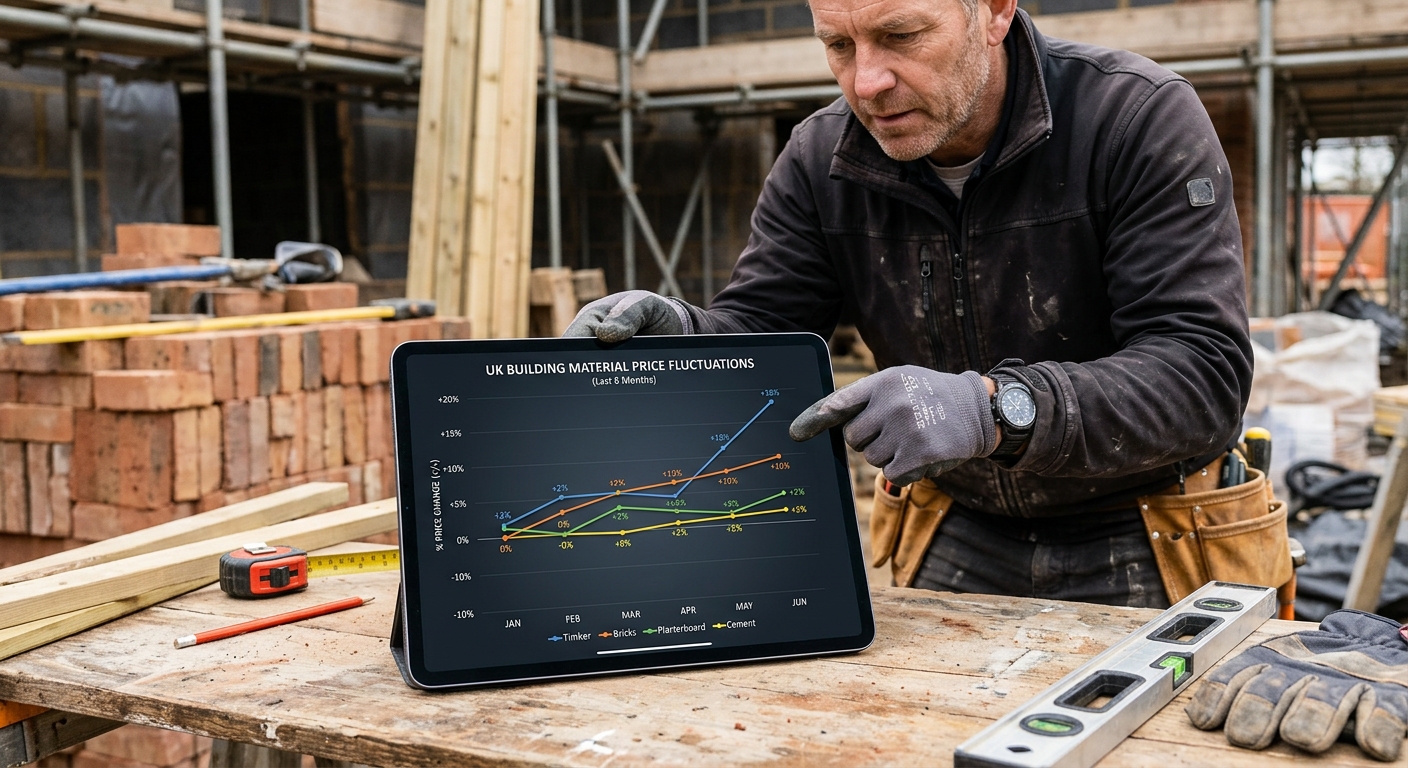
Key Building Materials: A Price Snapshot
Let's take a closer look at some key materials and their current price trends:
* Timber: Prices remain high but are showing signs of stabilising after significant increases in recent years. However, specific types of timber, especially imported hardwoods, may still be subject to volatility.
* Bricks: Brick prices are expected to see a moderate increase due to rising energy costs and demand.
* Cement: Cement prices are also likely to rise, driven by energy costs and production limitations.
* Plasterboard: Expect a continued increase in plasterboard prices due to raw material shortages and transportation costs.
* Insulation: Insulation materials are subject to price fluctuations depending on the type and availability of raw materials.
5 Strategies to Manage Fluctuating Material Prices
Here's how tradespeople can effectively manage these price fluctuations during Spring 2026:
- Accurate Quoting is Crucial: Factor in potential price increases when preparing quotes. Add a contingency buffer to account for unexpected cost hikes. Consider using quote software which integrates with live pricing feeds to stay up-to-date.
- Negotiate with Suppliers: Don't be afraid to negotiate with your suppliers. Building strong relationships can lead to better deals and early warnings about price changes. Ask about bulk discounts and payment terms.
- Buy in Advance (Strategically): If you have storage space and anticipate further price increases, consider buying essential materials in advance. However, be mindful of storage costs and potential spoilage.
- Consider Alternative Materials: Explore alternative materials that offer similar performance at a lower cost. This might involve researching new products or using more readily available options.
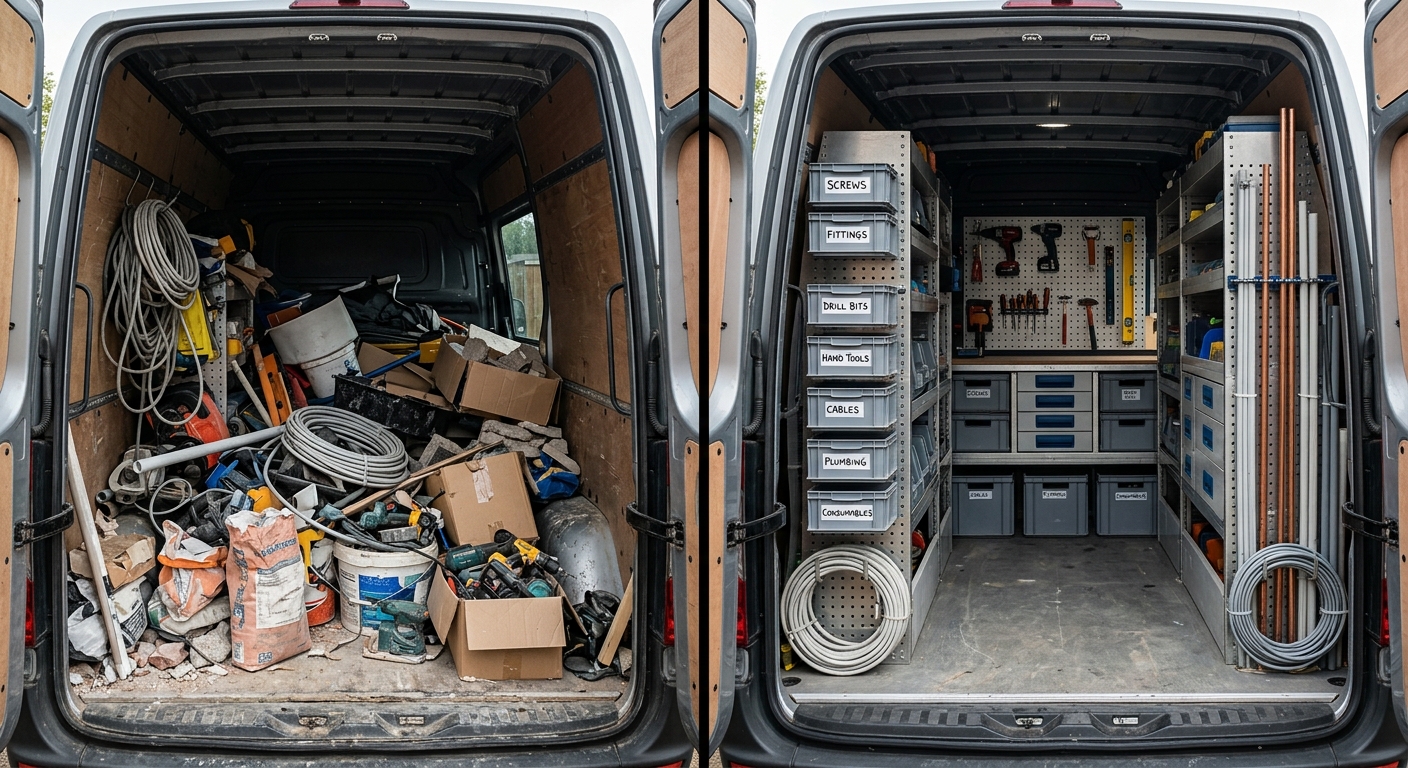
- Improve Stock Management: Efficient stock management reduces waste and ensures you only order what you need. Use job management software to track inventory, predict demand, and avoid overstocking or running out of essential items.

Reducing Waste to Maximise Profits
Minimising waste not only benefits the environment but also significantly improves your bottom line. Here are some practical tips:
* Accurate Measurement: Double-check measurements before cutting materials to avoid errors.
* Proper Storage: Store materials correctly to prevent damage from weather or pests.
* Re-use and Recycle: Where possible, re-use offcuts and recycle materials to reduce waste disposal costs.
* Efficient Ordering: Only order what you need, and avoid overstocking. Use data from previous jobs to estimate material requirements more accurately.
Tip:
Implement a 'first in, first out' (FIFO) system for your materials to ensure older stock is used before it deteriorates.
The Role of Technology in Managing Material Costs
Technology can play a vital role in managing material costs and improving overall efficiency. Here's how:
* Job Management Software: Use job management software to track material usage, manage inventory, and generate accurate quotes. Many platforms integrate with supplier databases to provide real-time pricing.
* Online Ordering: Order materials online to take advantage of competitive pricing and track your spending.
* Mobile Apps: Utilise mobile apps for on-site ordering, stocktaking, and price comparisons.
Communicating Price Fluctuations to Customers
Transparency is key when communicating price fluctuations to customers. Be upfront about potential cost increases and explain the reasons behind them. Offer options and alternatives where possible, and maintain clear communication throughout the project.
* Early Communication: Inform customers about potential price fluctuations as early as possible.
* Clear Explanations: Explain the reasons behind price increases, such as supply chain issues or increased demand.
* Offer Alternatives: Provide alternative materials or design options that may be more cost-effective.
* Written Agreements: Include a clause in your contracts that allows for price adjustments due to unforeseen material cost increases.
Conclusion
Navigating fluctuating building material prices requires careful planning, proactive communication, and efficient management. By implementing the strategies outlined in this guide, tradespeople can mitigate the impact of price increases and maintain profitability throughout Spring 2026. Staying informed, negotiating effectively, and leveraging technology are crucial for success in today's dynamic market. A platform like TradeFlow can help you stay on top of your quotes, invoicing app, and material costs all in one place.