UK Trades: Master Smart Home Tech Installs for Q4 Profit
As we head deeper into Q4, UK tradespeople have a golden opportunity to boost their profits by embracing the growing demand for smart home technology installation. Homeowners across the UK are increasingly looking to automate their homes, improve energy efficiency, and enhance security, creating a significant market for skilled professionals who can install and integrate these sophisticated systems.
This guide will walk you through the essentials of capitalising on this trend, from understanding the most popular smart home devices to marketing your new services effectively.
Why Smart Home Technology is a Q4 Profit Booster
Autumn and winter are prime times for homeowners to consider upgrades that enhance comfort, security, and energy savings. Smart thermostats, advanced lighting systems, and integrated security solutions become particularly appealing during colder months and longer nights. By offering these services, you're not just providing a product; you're offering solutions to common seasonal concerns.
Did you know?
The UK smart home market is projected to reach a value of £14.7 billion by 2027, with a compound annual growth rate of 12.5%. This indicates a massive, sustained opportunity for tradespeople specialising in installation and integration.
Popular Smart Home Devices for Tradespeople to Install
While the smart home market is vast, certain devices are particularly well-suited for installation by plumbers, electricians, heating engineers, and even general builders. Focusing on these high-demand areas can provide a clear entry point.
1. Smart Heating & Thermostats
Best for: Gas engineers, plumbers, electricians
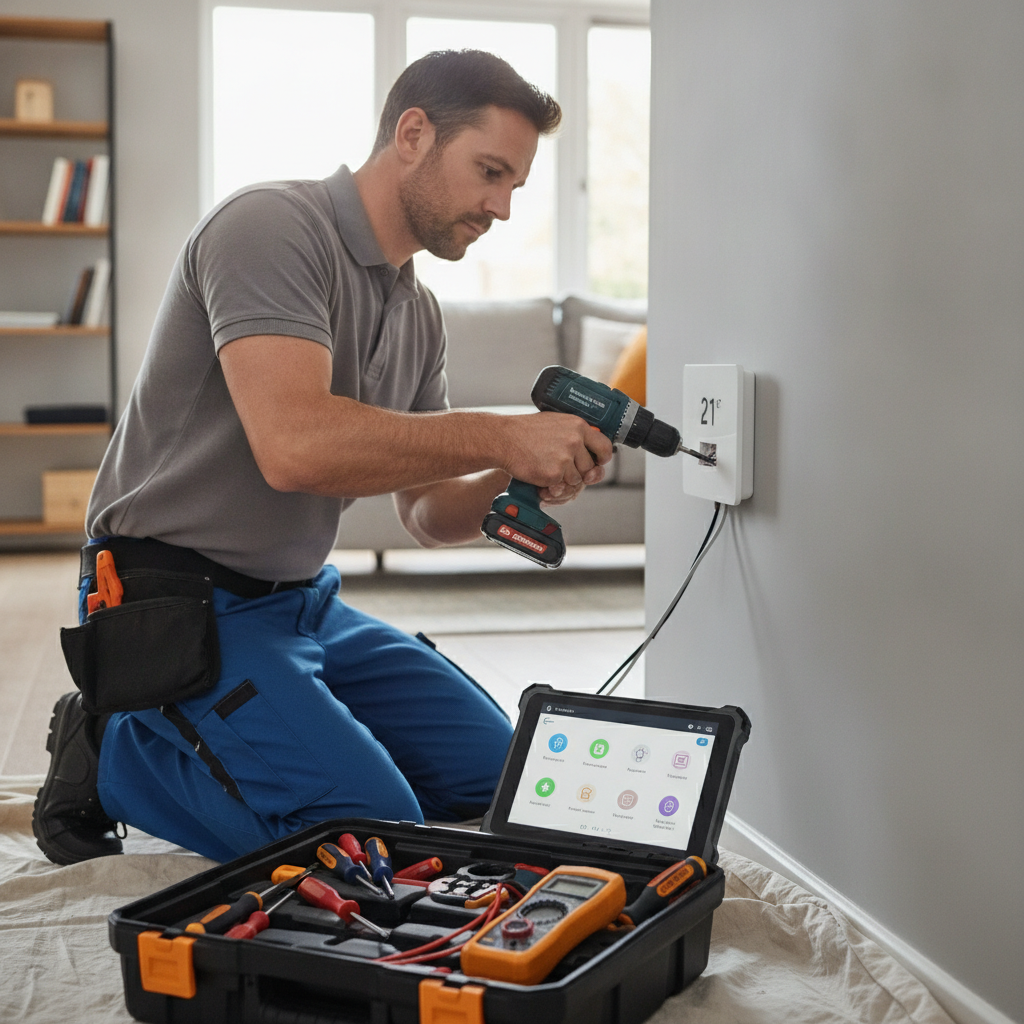
Devices like Nest, Hive, and Tado allow homeowners to control their heating remotely, optimise schedules, and often save on energy bills. Installation typically involves wiring to the boiler and power supply, and setting up the accompanying app.
Why it's popular in Q4: Energy efficiency and comfort are top priorities as temperatures drop. Homeowners want to manage their heating more effectively.
2. Smart Lighting Systems
Best for: Electricians
Philips Hue, Ring, and Google Nest offer smart bulbs, light strips, and outdoor security lights that can be controlled via apps or voice commands. These often require connection to existing wiring or simple bulb replacement with bridge setup.
Why it's popular in Q4: Enhanced security during darker evenings and festive lighting options make these attractive.
3. Smart Security Systems
Best for: Electricians, general builders
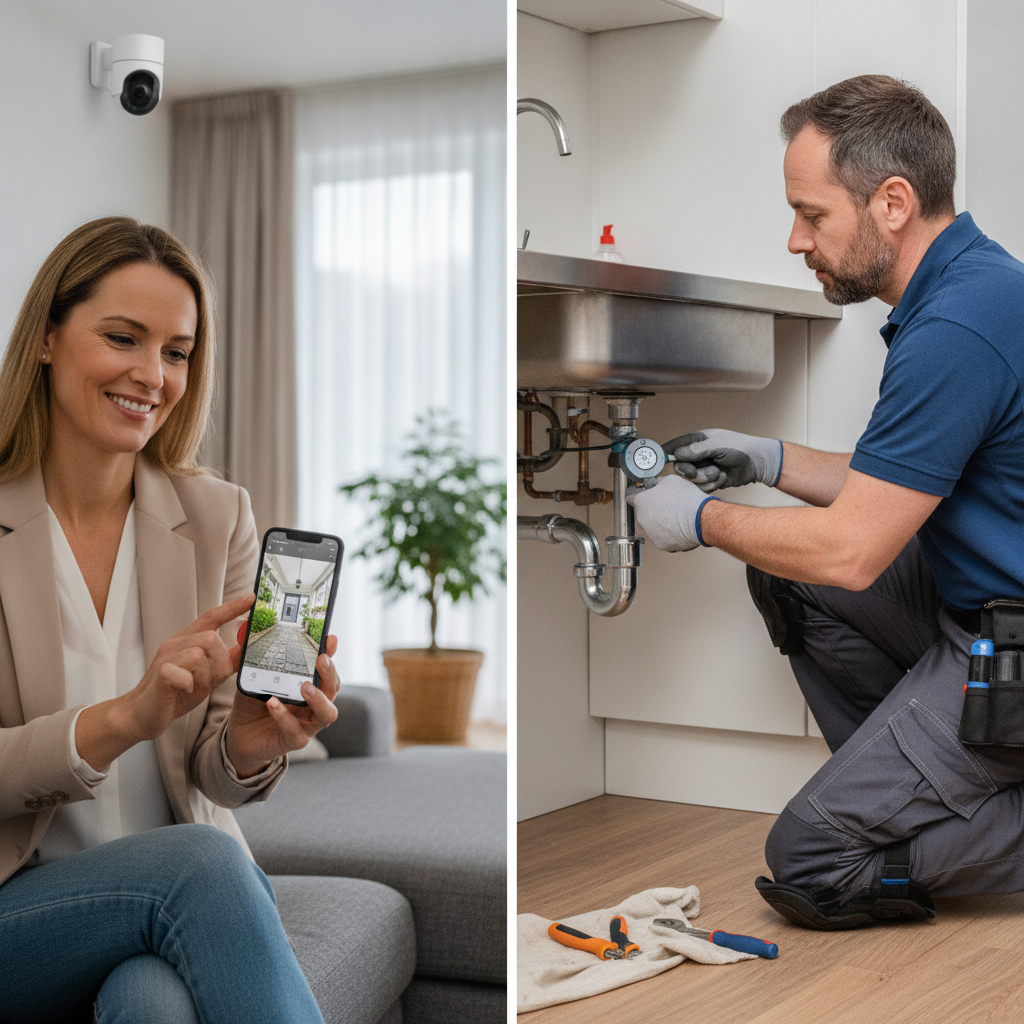
This category includes smart doorbells (Ring, Arlo), CCTV cameras, motion sensors, and smart locks. Installation can range from simple battery-powered devices to hardwired systems requiring mains power.
Why it's popular in Q4: Increased concern for home security during darker months and holiday periods.
4. Smart Leak Detection & Water Shut-Off Valves
Best for: Plumbers
Devices like Grohe Sense Guard or Flo by Moen can detect leaks and even automatically shut off water to prevent major damage. Installation often involves integrating with existing pipework.
Why it's popular in Q4: Burst pipes are a winter nightmare. Proactive prevention is highly appealing to homeowners.
5. Smart Appliance Integration
Best for: Electricians, kitchen fitters
While less common for direct installation, understanding how smart ovens, fridges, and washing machines connect to a home network can be valuable. Electricians might be involved in ensuring correct power supply and network connectivity.
Essential Steps to Offer Smart Home Installation Services
Ready to integrate smart home installations into your service offering? Here's a practical guide:
Step 1: Up-skill Your Team
Invest in training for specific smart home brands and technologies. Many manufacturers offer certification courses. Familiarity with Wi-Fi networks, app setup, and basic troubleshooting is crucial.
Step 2: Choose Your Niche
Don't try to offer everything at once. Start with devices that align with your existing trade (e.g., plumbers focus on smart heating and leak detection, electricians on lighting and security).
Step 3: Partner with Suppliers
Establish relationships with smart home product distributors. This can provide better pricing, access to new products, and technical support.
Step 4: Develop Clear Pricing Structures
Offer transparent pricing for installation, setup, and perhaps ongoing maintenance or troubleshooting. Consider package deals for multiple devices.
Step 5: Master Marketing Your New Services
Simply offering the service isn't enough; you need to tell potential clients about it. Here's how:
* Update Your Website: Create a dedicated page for smart home installations, showcasing the benefits and the types of devices you install. Make sure your professional website is up-to-date.
* Local SEO: Optimise your Google My Business profile for terms like "smart thermostat installation [your town]" or "smart home electrician [your town]".
* Social Media: Share engaging content on platforms like Facebook and Instagram. Post videos of installations, demonstrate how devices work, and highlight client testimonials. Social media management can help you reach a wider audience.
* Client Education: During existing jobs, talk to clients about smart home options. A plumber fixing a boiler can suggest a smart thermostat upgrade. An electrician doing a rewire can recommend smart lighting.
* Leverage TradeFlow: Use your job management software to track leads, manage bookings for smart home consultations, and send out targeted email campaigns to existing customers about your new services.
Step 6: Provide Excellent Post-Installation Support
Smart home technology can sometimes be tricky for homeowners. Offering clear instructions, a short tutorial, and readily available support for any teething problems will build trust and generate referrals.
Tip:
Consider creating simple, branded 'how-to' guides or video tutorials for common smart home device functions that you install. This adds value and reduces follow-up calls.
Overcoming Challenges in Smart Home Installation
While lucrative, smart home installations do come with unique challenges:
* Connectivity Issues: Wi-Fi dead zones or poor internet speeds can hinder performance. Be prepared to advise clients on network extenders or mesh Wi-Fi systems.
* Compatibility: Not all devices work seamlessly together. Specialise in particular ecosystems (e.g., Google Home, Amazon Alexa, Apple HomeKit) or learn how to integrate across platforms.
* Client Understanding: Many clients don't fully understand the capabilities or limitations of smart tech. Your role includes education and setting realistic expectations.
* Cybersecurity Concerns: Be aware of basic cybersecurity practices and advise clients on secure Wi-Fi passwords and device updates.
Case Study: Local Electrician Embraces Smart Lighting
John, an electrician based in Manchester, noticed an increasing number of enquiries about LED lighting upgrades. He decided to upskill his team in Philips Hue and Ring smart lighting systems. He updated his website, launched a small local ad campaign, and started mentioning smart lighting options during every initial client consultation.
Within three months, smart lighting installations accounted for 20% of his new business, with an average job value 30% higher than traditional lighting installations. Clients appreciated the convenience and energy savings, leading to excellent reviews and word-of-mouth referrals. John also started using his AI phone answering service to filter and schedule smart home tech enquiries efficiently.
Conclusion: Future-Proof Your Trade Business
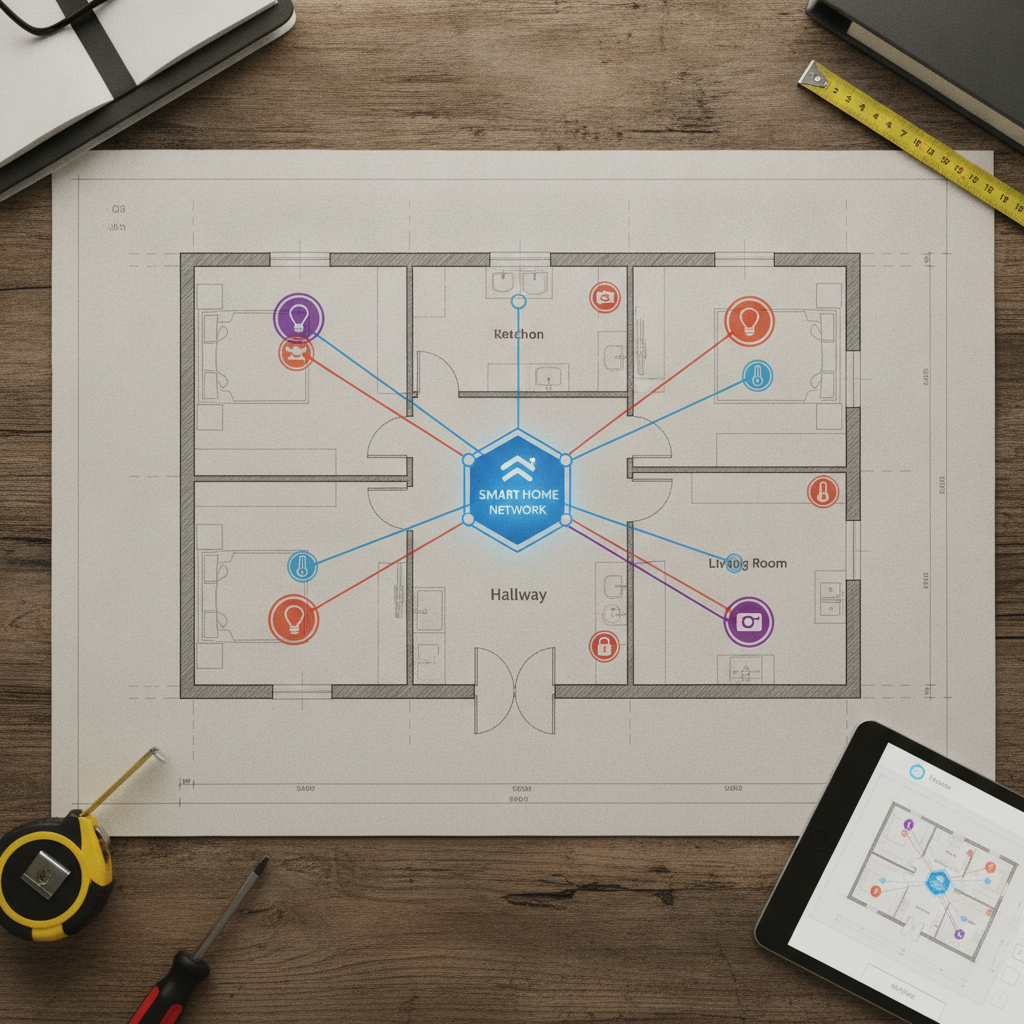
Embracing smart home technology installation isn't just about capitalising on a current trend; it's about future-proofing your trade business. As homes become increasingly connected, tradespeople who can expertly install, integrate, and maintain these systems will be in high demand. By focusing on popular devices, investing in training, and effectively marketing your services, you can unlock a significant new revenue stream and boost your Q4 profits.
Streamline your new smart home installation services with TradeFlow's comprehensive job management software, helping you manage quotes, schedule jobs, and track payments efficiently.