Tradespeople: Choosing the Best Payment Methods
Choosing the right payment methods is a crucial decision for any tradesperson in the UK. Offering a variety of convenient options can improve customer satisfaction, speed up payment processing, and ultimately boost your bottom line. But with so many choices available, how do you decide which ones are best for your business?
This guide explores the most popular and effective payment methods for UK tradespeople, weighing the pros and cons of each to help you make an informed decision.
Accepting Cash Payments
For decades, cash was king. While its dominance has waned, cash still has a place in the modern trades business. Some customers prefer it, particularly for smaller jobs.
Tip:
Always provide a written receipt for cash payments. This protects both you and your customer and provides a clear record for your accounts. Consider using a pre-printed receipt book or generating digital receipts with your invoicing app.
Pros:
* Instant access to funds
* No transaction fees
* Preferred by some customers
Cons:
* Security risks (theft)
* Time-consuming to deposit
* Difficult to track and reconcile
* Can be inconvenient for larger transactions
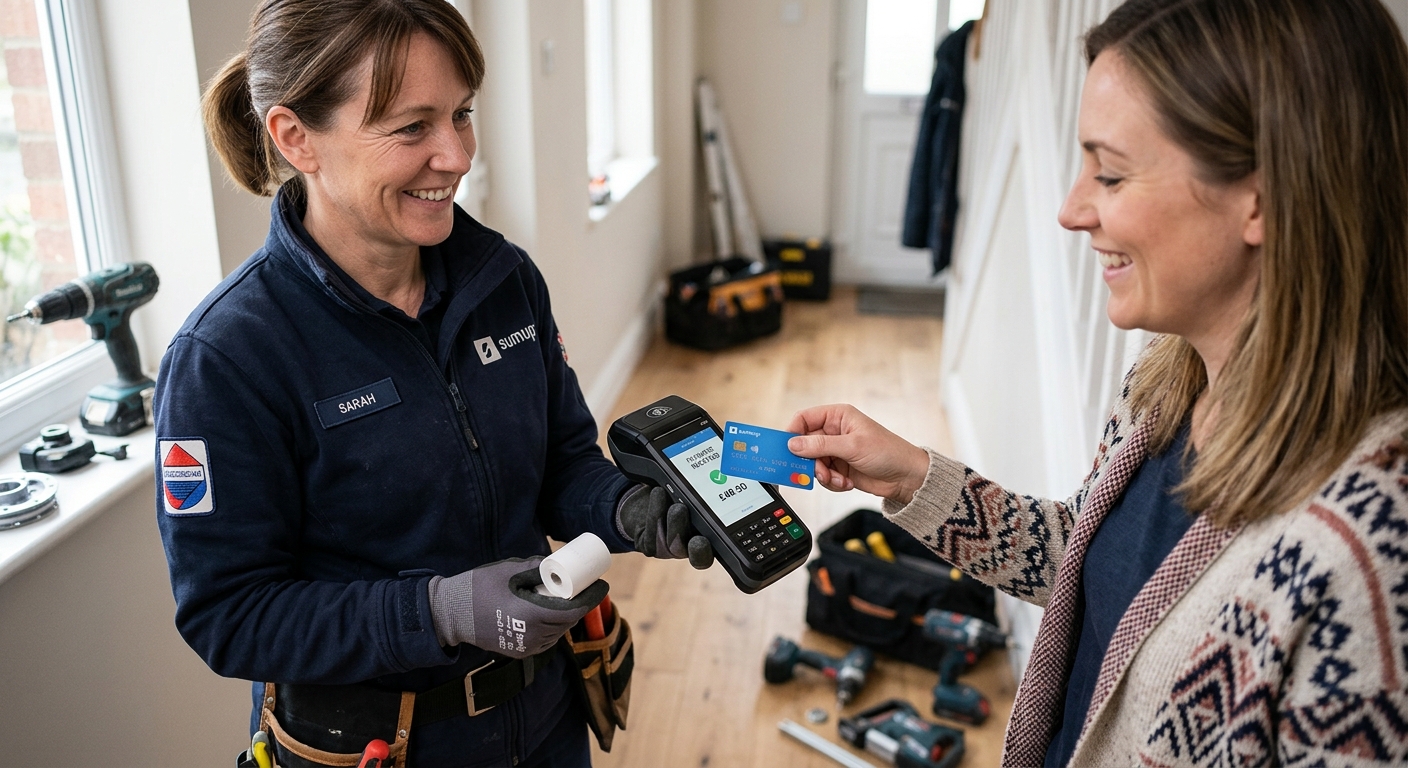
Card Payments: Contactless and Chip & PIN
Card payments have become increasingly popular, especially with the rise of contactless technology. Accepting card payments opens your business to a wider range of customers and provides a more convenient payment experience.
Pros:
* Convenient for customers
* Increased sales potential
* Safer than cash
* Easy to track transactions
Cons:
* Transaction fees
* Requires a card reader or payment gateway
* Funds may take a few days to clear
Options for accepting card payments:
* Mobile Card Readers: Companies like Square, SumUp, and Zettle offer portable card readers that connect to your smartphone or tablet. These are ideal for on-site payments.
* Payment Gateways: If you accept online payments, you'll need a payment gateway like Stripe or PayPal. These services allow you to process card payments securely through your website or online invoicing system. Integrating a payment gateway with your job management software ensures seamless invoicing and payment tracking.
Did you know?
Contactless payments now account for over 60% of all card transactions in the UK.
Bank Transfers: BACS and Faster Payments
Bank transfers (BACS and Faster Payments) are a reliable and cost-effective way to receive payments, especially for larger jobs. They offer a secure and traceable transaction history.
Pros:
* Lower transaction fees compared to card payments
* Secure and traceable
* Suitable for larger transactions
Cons:
* Can take longer for funds to clear (especially BACS)
* Requires customers to manually enter your bank details
* Less convenient for some customers
How to encourage bank transfers:
- Clearly display your bank details on your invoices.2. Offer a small discount for customers who pay by bank transfer.3. Send payment reminders with your bank details included.4. Use a professional quote software to automate invoicing and payment reminders.
Mobile Payment Apps: PayPal, Apple Pay, and Google Pay
Mobile payment apps like PayPal, Apple Pay, and Google Pay are gaining popularity, offering a convenient and secure way for customers to pay using their smartphones.
Pros:
* Convenient for customers
* Fast and easy transactions
* Secure payment processing
Cons:
* Transaction fees (especially PayPal)
* Requires customers to have a mobile payment app account
* Not all customers are familiar with these methods
Cheques: Are They Still Relevant?
While cheques were once a common payment method, their use has declined significantly. Many businesses no longer accept cheques due to the risk of fraud and the time it takes to clear them.
Pros:
* Some older customers may prefer them
Cons:
* Slow to clear
* Risk of fraud
* Inconvenient to deposit
Generally, it's best to avoid accepting cheques if possible. If you do, make sure to verify the customer's identity and wait for the cheque to clear before starting any work.
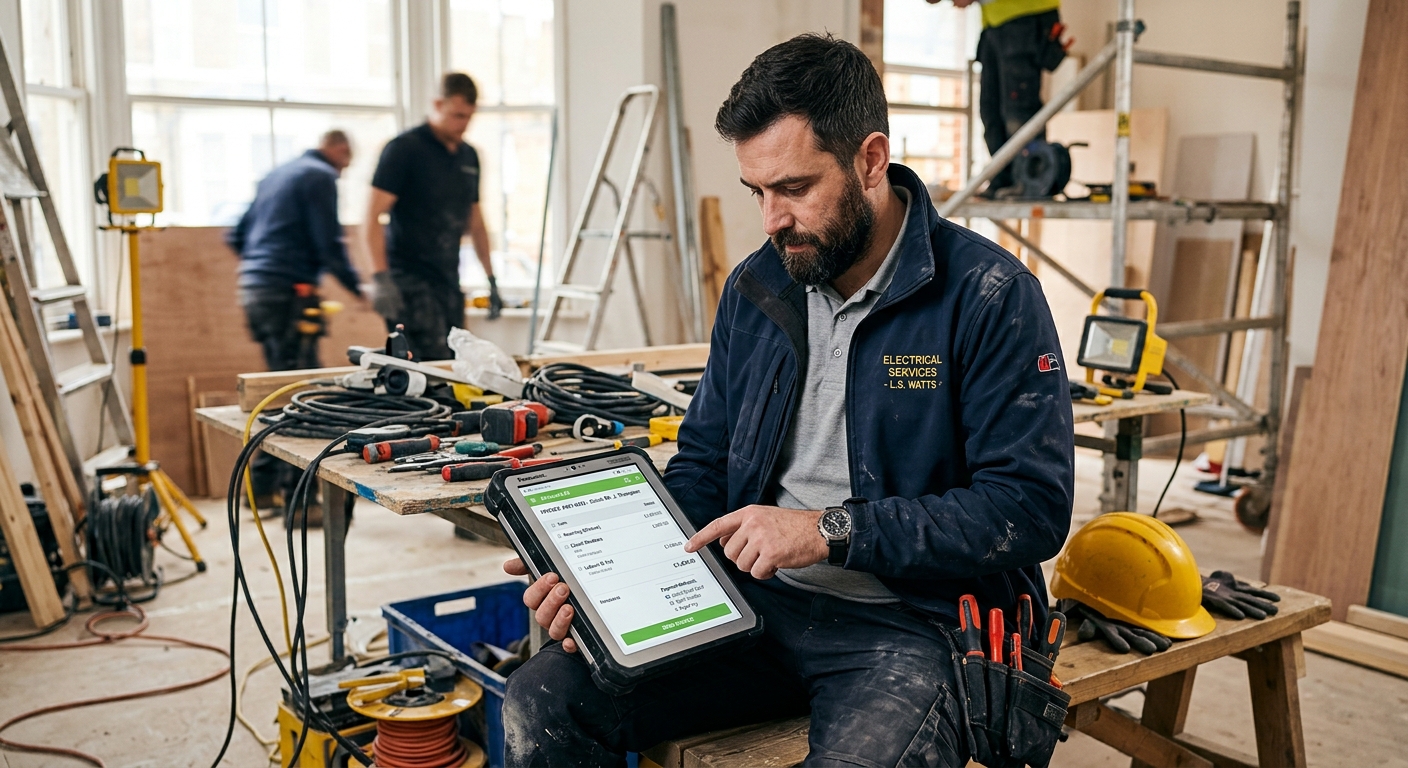
Choosing the Right Mix of Payment Methods
The best payment methods for your business will depend on several factors, including:
* Your target audience: Consider the demographics and preferences of your customers.
* The size of your jobs: Bank transfers may be more suitable for larger projects, while card payments are convenient for smaller ones.
* Your business needs: Factor in transaction fees, processing times, and security concerns.
* Ease of integration: Ensure your chosen payment methods integrate seamlessly with your invoicing and job management software.
It's often a good idea to offer a variety of payment options to cater to different customer preferences. Clearly communicate your accepted payment methods on your website, invoices, and marketing materials.
By carefully considering the pros and cons of each payment method, you can choose the ones that best suit your business needs and improve your overall customer experience. This in turn, streamlines your finances and helps you get paid on time, every time.
Choosing the right payment methods is a critical step in running a successful trades business. By offering convenient and secure options, you can improve customer satisfaction, reduce payment delays, and ultimately boost your profitability. TradeFlow helps you manage your invoices, track payments, and stay on top of your finances, so you can focus on what you do best: providing excellent service to your customers.