Tradespeople: Managing Outdoor Project Delays
Unpredictable weather is a constant challenge for UK tradespeople, especially when dealing with outdoor projects. Rain, wind, and even unexpected sunshine can cause significant project delays, impacting your schedule, budget, and customer satisfaction. Mastering the art of managing project delays is crucial for maintaining a successful and resilient business. This guide provides practical strategies to navigate these challenges and keep your projects on track.
How to Handle Weather-Related Project Delays
Weather is the most common reason for outdoor project delays. Here's how to prepare and react:
- Accurate Weather Forecasting: Use reliable weather forecasting services specific to your region. Don't rely on generic national forecasts. Check multiple sources for a more complete picture. Consider investing in a professional weather app designed for construction or outdoor trades. These often provide more detailed and location-specific forecasts.
- Communicate Proactively: Inform clients about the possibility of weather-related delays before the project starts. Include a clause in your contracts addressing potential delays due to unforeseen circumstances, including weather. Transparency is key to managing expectations and avoiding disputes.
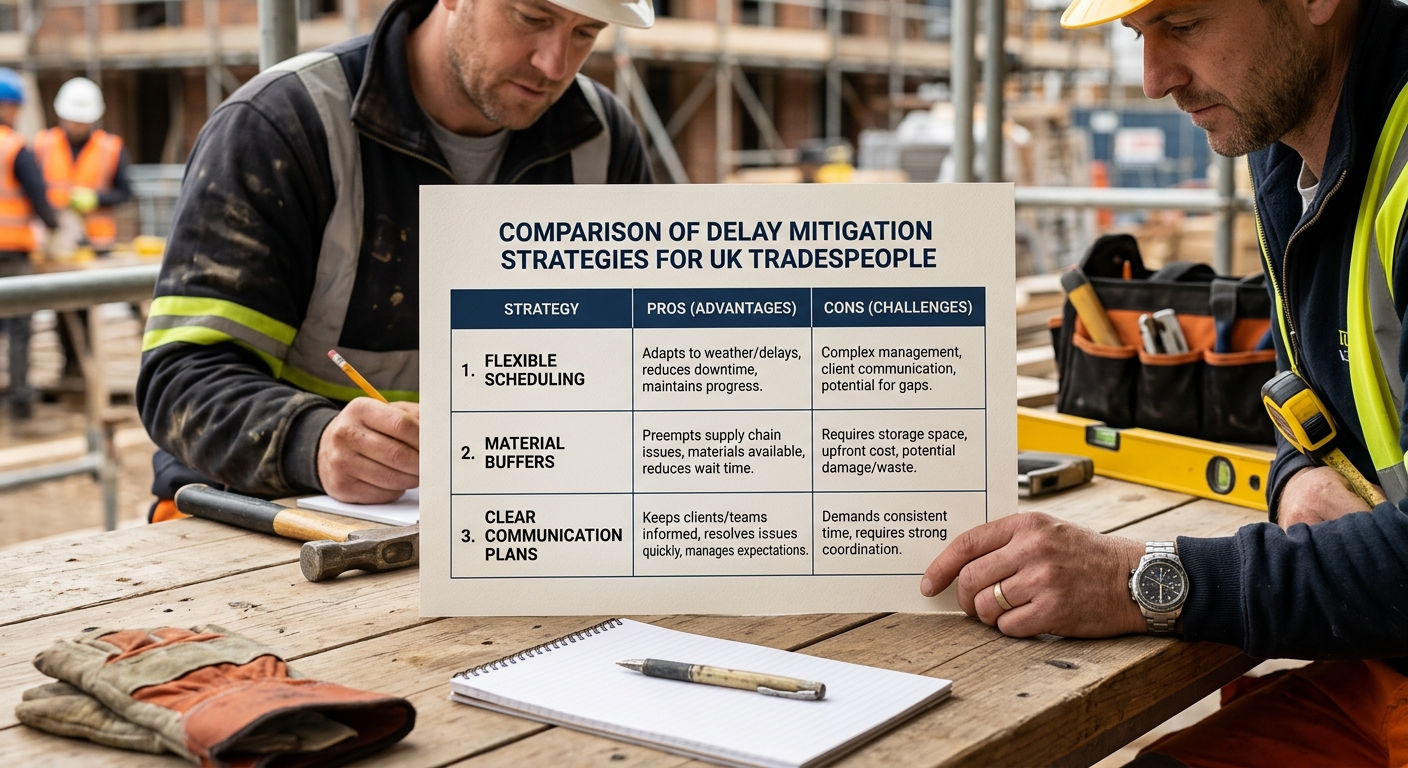
- Flexible Scheduling: Build buffer time into your project schedules to accommodate potential delays. Avoid over-scheduling to prevent a domino effect when one project is delayed. A scheduling app can help you visualise your schedule and easily make adjustments.
- On-the-Spot Assessment: If the weather turns bad mid-project, assess the situation immediately. Determine if it's safe and productive to continue working. Don't compromise safety or quality to stick to a schedule. Document the delay with photos and notes for your records.
- Communicate Regularly: Keep clients updated on the situation. Explain the reason for the delay, provide an estimated revised completion date, and answer any questions they may have. Use clear and concise language, avoiding technical jargon.
- Reschedule Efficiently: Use job management software to quickly reschedule appointments and notify all affected parties. This ensures everyone is on the same page and minimises confusion. Consider offering alternative indoor tasks if possible, to maintain productivity.
Tip:
Always prioritise safety. If weather conditions pose a risk to your team or the project, stop work immediately. Never compromise safety to stay on schedule.

Mitigating the Impact of Material Supply Delays
Spring and summer often bring increased demand for materials, leading to potential supply chain disruptions. Here's how to mitigate the impact of material delays:
- Order Early: Place material orders well in advance of the project start date. This gives suppliers more time to fulfil your order and reduces the risk of delays.
- Maintain Strong Supplier Relationships: Cultivate good relationships with your suppliers. This can give you preferential treatment when materials are in short supply. Communicate your needs clearly and promptly.
- Explore Alternative Suppliers: Identify backup suppliers in case your primary supplier is unable to fulfil your order. Having alternative options can save you valuable time and prevent significant delays.
- Stock Up on Essentials: Keep a stock of essential materials that you frequently use. This can help you avoid delays caused by short-term shortages. Consider the cost of storage versus the potential cost of delays.
- Communicate with Clients: If you anticipate material delays, inform your clients as soon as possible. Explain the situation and provide an estimated revised completion date. Offer alternative material options if available.
Effective Communication Strategies for Delay Management
Clear and consistent communication is essential for managing client expectations and maintaining positive relationships during project delays.
- Be Proactive: Don't wait for clients to ask about the project status. Provide regular updates, even if there are no significant changes.
- Be Honest and Transparent: Explain the reason for the delay in clear and concise language. Avoid making excuses or blaming others. Be upfront about the potential impact on the project timeline and budget.
- Offer Solutions: Don't just tell clients about the problem; offer potential solutions. This shows that you are taking ownership of the situation and are committed to finding a resolution.
- Listen Actively: Pay attention to your clients' concerns and address them promptly. Show empathy and understanding. Acknowledge their frustration and reassure them that you are doing everything you can to minimise the impact of the delay.
- Document Everything: Keep a record of all communications with clients, including emails, phone calls, and meetings. This can be helpful in resolving disputes and protecting your interests. Quote Software can help you create professional documentation to share with clients.

Did you know?
Studies show that poor communication is a leading cause of disputes between tradespeople and clients. Investing in effective communication strategies can save you time, money, and stress.
Optimising Your Business Operations for Flexibility
Creating a business that can adapt to changing circumstances is key to long-term success. Embrace digital solutions to help you stay agile.
- Embrace Technology: Invest in job management software that can help you streamline your operations and improve communication. These tools can help you manage schedules, track materials, and communicate with clients more efficiently.
- Train Your Team: Ensure your team is trained to handle unexpected situations and adapt to changing circumstances. Provide them with the tools and resources they need to make informed decisions.
- Develop Contingency Plans: Create contingency plans for common challenges, such as weather delays, material shortages, and equipment breakdowns. This will help you respond quickly and effectively when these situations arise.
- Review and Improve: Regularly review your business processes and identify areas for improvement. Seek feedback from your team and your clients. Use this information to refine your processes and make your business more resilient.
- Consider AI Phone Answering: For smaller firms, an AI phone answering service can handle client queries and reschedule jobs during weather-related disruptions, freeing up your team to focus on critical tasks.
Legal Considerations
Make sure your contracts clearly outline responsibilities in case of delays. Consult with a legal professional to ensure your contracts are comprehensive and protect your interests. A well-drafted contract can prevent disputes and minimise potential losses.
Managing project delays is an inevitable part of being a tradesperson in the UK. By implementing these strategies, you can minimise the impact of delays on your business, maintain positive client relationships, and build a more resilient and successful operation. Remember to prioritise communication, be flexible, and embrace technology to stay ahead of the curve. TradeFlow's job management software helps you streamline your operations and improve communication, making it easier to manage project delays and keep your business on track.