Tradespeople: Mastering Customer Communication
Excellent [customer communication] is the cornerstone of a thriving trade business. It's not just about relaying information; it's about building trust, managing expectations, and fostering lasting relationships that lead to repeat business and valuable referrals. In today's competitive landscape, where customers have countless options, mastering communication can be the key differentiator that sets you apart from the competition.
Why Effective Customer Communication Matters for Tradespeople
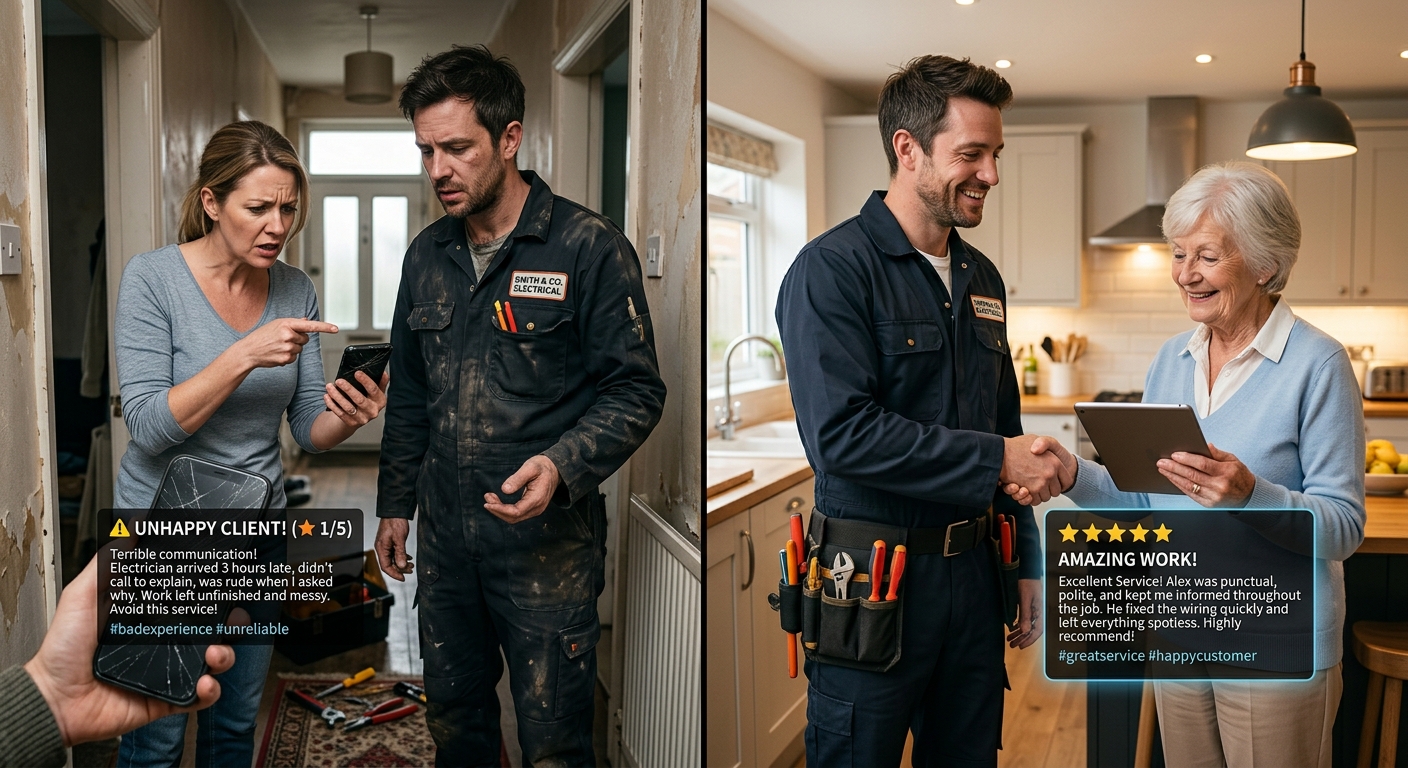
Strong customer communication directly impacts your bottom line. Happy customers are more likely to recommend you to others, leave positive reviews, and choose you for future projects. Conversely, poor communication can lead to misunderstandings, disputes, and negative feedback that damages your reputation.
Did you know?
Studies show that businesses with excellent customer communication experience a 89% higher customer retention rate.
Consider these key benefits:
* Improved Customer Satisfaction: Clear, timely, and empathetic communication ensures customers feel valued and understood.
* Reduced Misunderstandings: Proactive communication prevents confusion and eliminates potential conflict by keeping everyone on the same page.
* Stronger Client Relationships: Consistent communication builds trust and rapport, turning clients into loyal advocates for your business.
* Increased Referrals: Satisfied customers are your best marketing tool. They're more likely to recommend your services to friends, family, and neighbours.
* Enhanced Reputation: Positive word-of-mouth and online reviews build a strong reputation, attracting more clients and boosting your business.

5 Strategies to Improve Customer Communication
Here's a practical guide to enhancing your customer interactions:
- Establish Clear Communication Channels: Offer multiple ways for customers to reach you, such as phone, email, SMS, and even a dedicated portal within your job management software. Make sure your contact information is easily accessible on your website and marketing materials. A key part of this is also using a professional phone answering system, consider AI phone answering.
- Respond Promptly and Professionally: Aim to respond to inquiries within 24 hours. Even a brief acknowledgement can reassure customers that their message has been received. Use a polite and professional tone in all your interactions, whether verbal or written.
- Clearly Define Project Scope and Expectations: Before starting any work, provide a detailed quote outlining the project scope, timeline, and payment terms. Walk the customer through the quote, answering any questions they may have. This minimises surprises and ensures everyone is on the same page.
- Provide Regular Updates: Keep customers informed about the progress of their project. Send regular updates, even if there are no significant changes. Use photos and videos to showcase your work and provide visual updates. Leverage features within your job management software to automate progress updates.
- Actively Listen and Address Concerns: Pay attention to what customers are saying, both verbally and nonverbally. Ask clarifying questions to ensure you understand their concerns. Respond empathetically and offer solutions to address any issues they may have.
Managing Difficult Conversations
Inevitably, you'll encounter challenging situations with customers. Here's how to handle them effectively:
* Stay Calm and Professional: Even when faced with an angry or frustrated customer, maintain a calm and professional demeanour. Avoid getting defensive or taking things personally.
* Listen Actively: Let the customer vent their frustrations without interruption (unless the conversation becomes abusive). Show that you're listening by nodding, making eye contact, and using verbal affirmations.
Tip:
Summarise their concerns to ensure you've understood them correctly. For example, "So, if I understand correctly, you're concerned about..."
* Acknowledge Their Feelings: Show empathy and acknowledge the customer's feelings. For example, "I understand why you're upset" or "I can see how frustrating that must be."
* Offer Solutions: Once you've understood the customer's concerns, offer practical solutions to resolve the issue. Be realistic about what you can do and set clear expectations.
* Follow Up: After resolving the issue, follow up with the customer to ensure they're satisfied with the outcome. This shows that you value their business and are committed to providing excellent service.

Tools to Enhance Customer Communication
Several tools can streamline your customer communication and improve efficiency:
* Job Management Software: TradeFlow is designed to centralise all your customer communication in one place, from initial inquiries to project updates and invoicing. This ensures nothing falls through the cracks and allows you to track all interactions.
* Email Marketing Software: Use email marketing to send newsletters, promotional offers, and important updates to your customer base. Segment your audience to deliver personalised messages that resonate with their interests.
* SMS Marketing Software: Send text message updates, appointment reminders, and special offers directly to your customers' phones. SMS marketing is a quick and effective way to communicate time-sensitive information.
* Online Review Platforms: Encourage satisfied customers to leave positive reviews on platforms like Google, Trustpilot, and Facebook. Actively monitor your online reputation and respond to both positive and negative reviews.
The Impact of Online Reviews
Online reviews play a significant role in shaping potential customers' perceptions of your business. Positive reviews build trust and credibility, while negative reviews can deter potential clients.
Here's how to leverage online reviews to your advantage:
* Encourage Reviews: Ask satisfied customers to leave a review after completing a project. Make it easy for them by providing links to your review profiles.
* Monitor Reviews: Regularly check your online review profiles to see what customers are saying about your business.
* Respond to Reviews: Respond to both positive and negative reviews promptly and professionally. Thank customers for their positive feedback and address any concerns raised in negative reviews.
* Use Reviews in Your Marketing: Showcase positive reviews on your website and marketing materials to build trust and credibility.
Mastering customer communication is an ongoing process. By implementing these strategies and continually seeking ways to improve, you can build strong client relationships, enhance your reputation, and achieve long-term success in the trades. Remember that simple things like a clear professional website, prompt responses, and regular communication updates can have a big impact.
TradeFlow's job management software helps UK tradespeople streamline customer communication by centralising all interactions, automating updates, and providing a platform for efficient project management. Try TradeFlow today and experience the difference.