UK Trades: Master Smart Waste Management for Q4 Profit
As a UK tradesperson, you’re constantly juggling projects, clients, and deadlines. While focusing on the job at hand, it’s easy to overlook one area that significantly impacts your bottom line: waste management. For many, it's seen as a necessary evil, a cost to be absorbed. However, with Q4 approaching, mastering smart waste management for UK trades can unlock surprising profit opportunities, enhance your professional image, and ensure you stay compliant with environmental regulations.
Effective waste management isn't just about throwing things away; it's about strategic planning, responsible disposal, and recognising the hidden value in what you discard. By optimising your processes now, you can reduce costs, improve efficiency, and even attract more environmentally conscious clients. Let's dive into how you can transform your waste strategy into a profit centre this quarter.
Why Smart Waste Management is Crucial for Q4 Profit
During Q4, projects often ramp up, and the colder, darker weather can add complexity to site logistics. Inefficient waste disposal can lead to unexpected costs, delays, and even fines. Here's why a robust strategy is vital:
* Cost Reduction: Haulage fees, landfill taxes, and skip hire can quickly eat into your profits. Effective sorting and recycling can significantly reduce these expenses.
* Environmental Compliance: The UK has stringent waste regulations. Non-compliance can result in hefty fines and damage to your reputation.
* Enhanced Reputation: Clients are increasingly favouring tradespeople who demonstrate environmental responsibility. A clear waste management policy can be a selling point.
* Improved Efficiency: An organised site with clear waste segregation is a safer, more efficient site, reducing time wasted on clearing debris.
Did you know?
The UK generates over 220 million tonnes of total waste annually, with construction, demolition, and excavation contributing a significant proportion. Efficient waste management practices can reduce this figure and save businesses money.
Step-by-Step Guide to Optimising Your Waste Management
Implementing an effective waste management strategy doesn't have to be complicated. Here's a practical, step-by-step approach for UK tradespeople:
1. Conduct a Waste Audit
Before you can manage waste effectively, you need to understand what you're generating. For a week or two, track every type of waste produced on your projects. Categorise it by material (wood, metal, plastic, plasterboard, rubble, hazardous waste, general waste) and estimate the volume. This audit will highlight your biggest waste streams and where the most significant savings can be made.
2. Implement a 'Reduce, Reuse, Recycle' Hierarchy
This classic principle is your guiding light:
* Reduce: Can you order materials more precisely to minimise offcuts? Are there alternative materials that produce less waste? For example, using pre-fabricated components can reduce on-site cutting waste.
* Reuse: Can offcuts of timber be used for smaller jobs or supports? Can old fixtures be refurbished or donated? Even old paint cans can be reused for mixing or storage if cleaned properly.
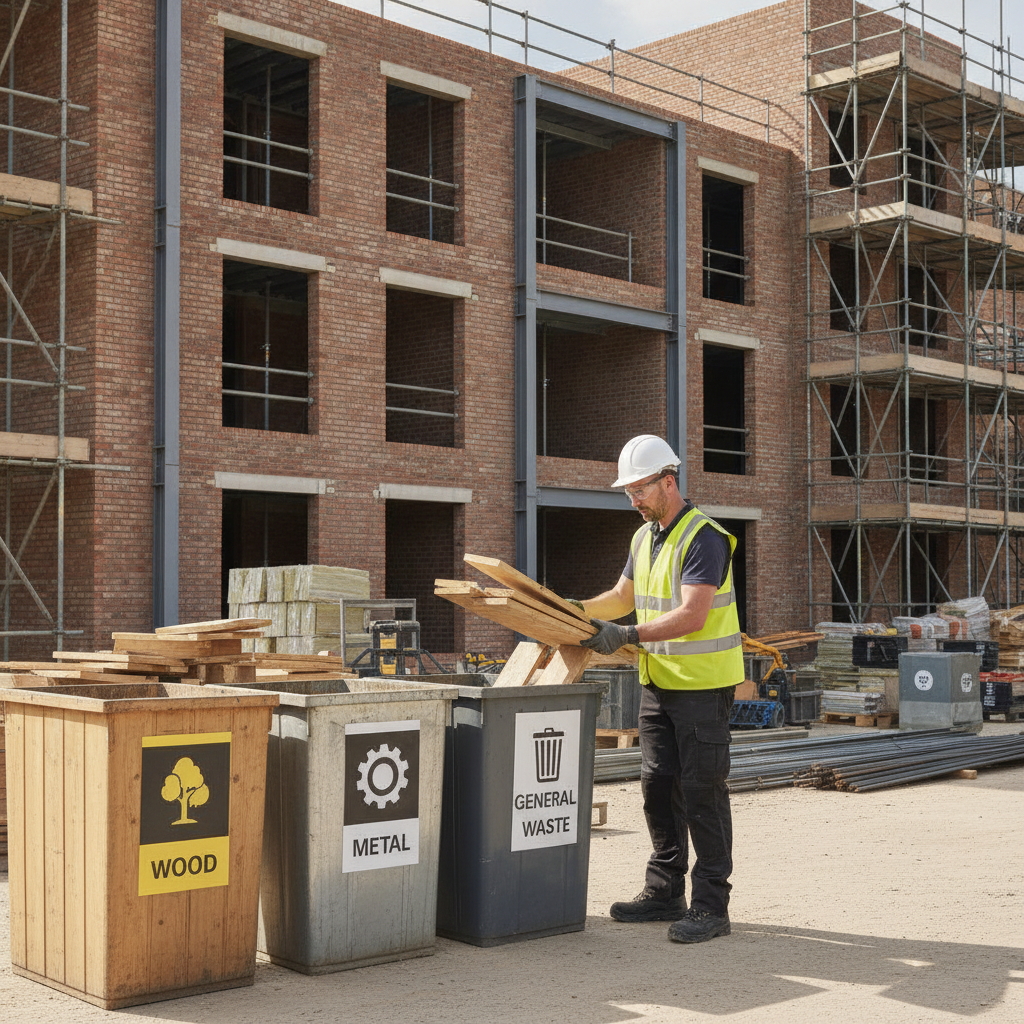
* Recycle: This is where proper segregation comes in. Clearly labelled bins on site are paramount.
3. Segregate Waste at Source
This is perhaps the most critical step for cost-saving. Mixed waste is expensive to dispose of because it requires manual sorting or goes straight to landfill. Providing dedicated, clearly labelled bins for different waste types on every job site will save you money on skip hire and disposal fees.
Common Waste Streams for Segregation:
- Wood: Pallets, offcuts, timber. Often recyclable or can be used as biomass.
- Metals: Copper pipes, steel offcuts, old radiators. High recycling value.
- Plastics: Packaging, conduit, old piping. Check local recycling facilities for accepted types.
- Inert Waste: Rubble, bricks, concrete. Can often be crushed and reused as aggregate.
- Plasterboard: Requires specific recycling as it can contaminate other waste streams.
- Hazardous Waste: Asbestos, chemicals, paint, fluorescent tubes. Requires specialist disposal and strict adherence to regulations.
- General Waste: Non-recyclable, non-hazardous items.
Tip:
Invest in good quality, sturdy, and clearly marked waste containers. Consider colour-coding them for easy identification by your team and sub-contractors.
4. Partner with Reputable Waste Carriers and Recyclers
Choosing the right waste disposal partner is vital. They must be licensed waste carriers. Ask for their waste transfer notes and ensure they provide clear documentation of where your waste goes. A good partner can also advise you on optimising your collections and identifying further recycling opportunities.
5. Leverage Technology for Tracking and Compliance
Modern job management software, like TradeFlow, can integrate waste management tracking into your project workflows. While our primary focus is on streamlining your operations, you can utilise features to log waste volumes, track disposal costs per job, and store waste transfer notes digitally. This helps you monitor spending, identify areas for improvement, and ensures you have all necessary compliance documentation readily accessible.

6. Train Your Team
Even the best strategy will fail without proper implementation. Regular training for your team and subcontractors on waste segregation, safe handling, and disposal procedures is essential. Make it part of your induction process and conduct refresher training as needed.
Practical Examples for Specific Trades
* Plumbers & Gas Engineers: Segregate copper and other metal pipes (high scrap value), old boilers/water heaters (specialist recycling), and plastic piping. Reduce packaging waste by ordering in bulk where possible.
* Electricians: Recycle old wiring, metal conduit, and switchgear. Dispose of fluorescent tubes and batteries correctly as hazardous waste. Reuse cable offcuts for smaller connections.
* Builders & Roofers: Segregate bricks, concrete (for crushing), timber offcuts, and plasterboard. Consider hiring a skip with multiple compartments for easier on-site segregation. For roofing, tiles can often be recycled or reused.
* Painters & Decorators: Dispose of paint cans responsibly (empty ones can often be recycled with metals). Never pour paint down drains. Collect paint wash-water for proper disposal or allow solids to settle for easier waste separation.
* Landscapers: Green waste (soil, branches, leaves) can often be composted or shredded for mulch. Hard landscaping waste (slabs, gravel) can be crushed and reused as hardcore.
Q4 Checklist for Waste Management Success
* Review your current waste contracts: Are you getting the best value? Can you negotiate better terms based on improved segregation?
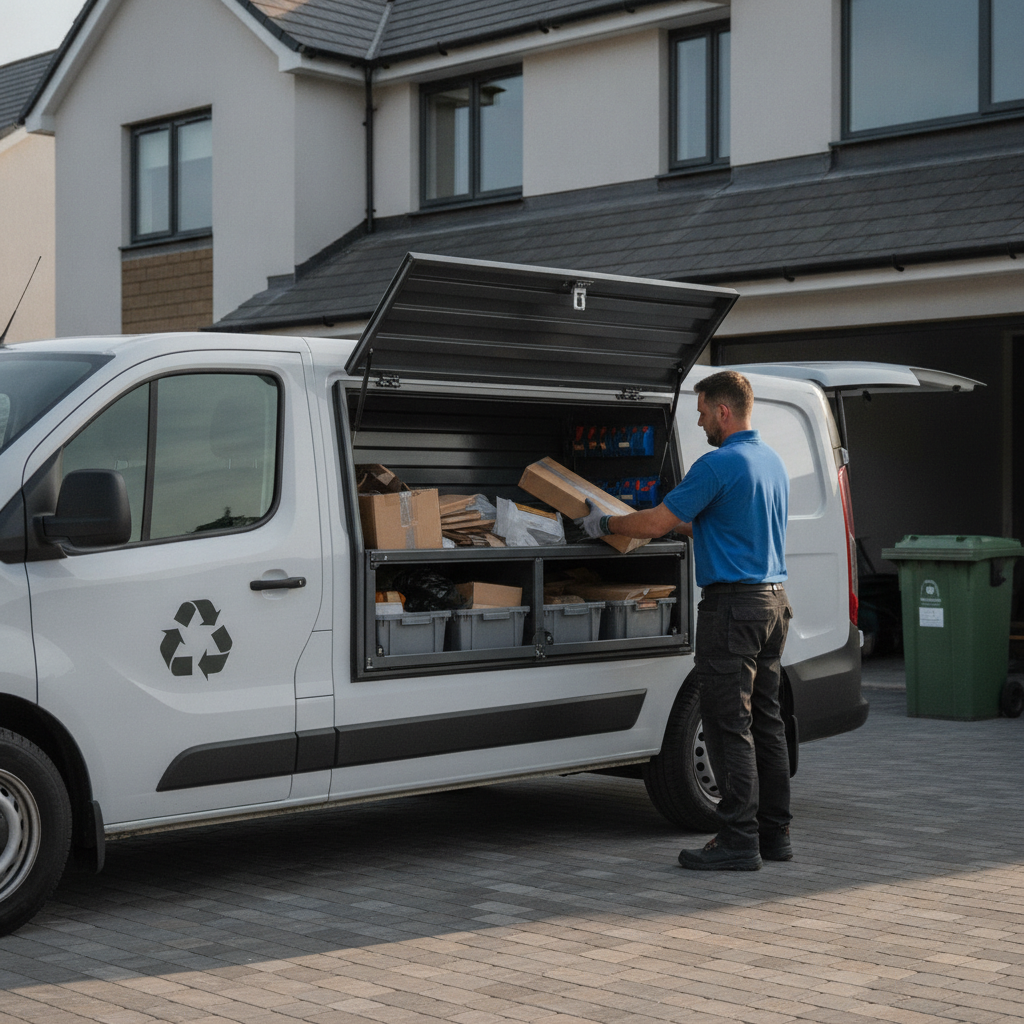
* Inspect your vehicle organisation: Ensure your vans are set up to easily separate small amounts of waste for recycling back at the yard. Master Winter Van Prep & Organisation might give you some ideas.
* Update your safety documentation: Ensure waste handling and disposal procedures are clearly outlined in your health and safety policies.
* Communicate with clients: Let them know your commitment to responsible waste disposal. It's a great differentiator.
* Set waste reduction targets: Make it a team goal to reduce landfill waste by a certain percentage this quarter.
By proactively tackling waste management, UK tradespeople aren't just doing their bit for the environment; they're actively safeguarding and boosting their Q4 profits. It’s an area where small changes can lead to significant financial and reputational gains. Embrace this often-overlooked aspect of your business operations, and you'll see the positive impact on your bottom line.
Streamline your entire business, from quoting and invoicing to scheduling and waste tracking, with TradeFlow's intuitive job management software. Discover how our tools can help you run a more organised, profitable, and compliant trade business.